

The Eisenhower Matrix
Prioritising What Truly Matters

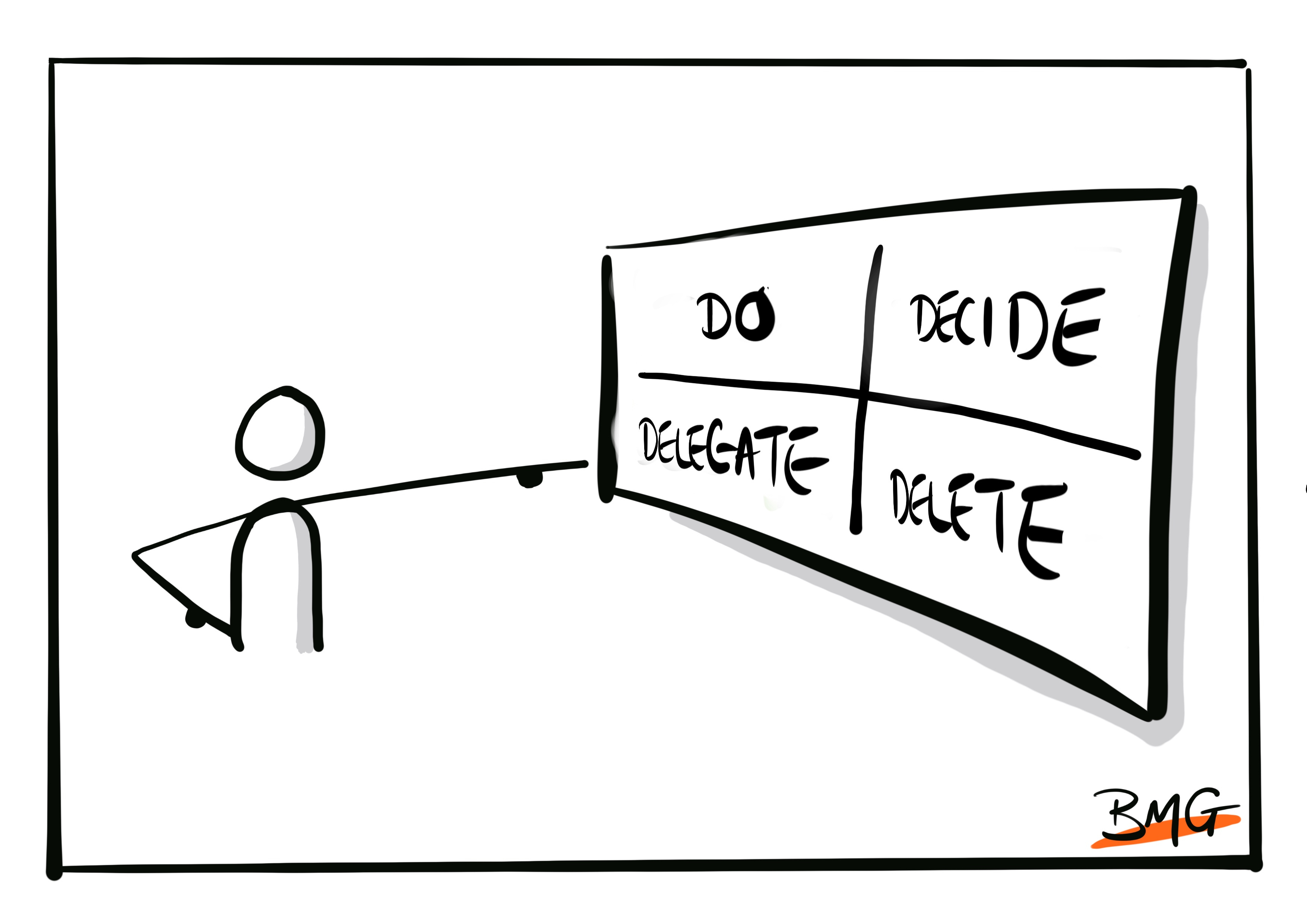
“What is important is seldom urgent, and what is urgent is seldom important.”
- Dwight D. Eisenhower
Productivity “hacks” are endlessly promoted on social media, but one tool has quietly stood the test of time - The Eisenhower Matrix.
Named after Dwight D. Eisenhower, the 34th President of the United States and a five-star general, this framework is a simple but profound system for making better decisions about where your time and energy should go.
For leaders, coaches, and anyone seeking to maximise effectiveness, the Eisenhower Matrix offers a clear lens to distinguish between what demands your attention now and what actually deserves it.
Understanding the Eisenhower Matrix
At its core, the Eisenhower Matrix is a decision-making tool designed to help you prioritise tasks based on two factors:
Urgency Tasks that require immediate action.
Importance Tasks that contribute to your long-term goals and values.
The matrix divides tasks into four quadrants:
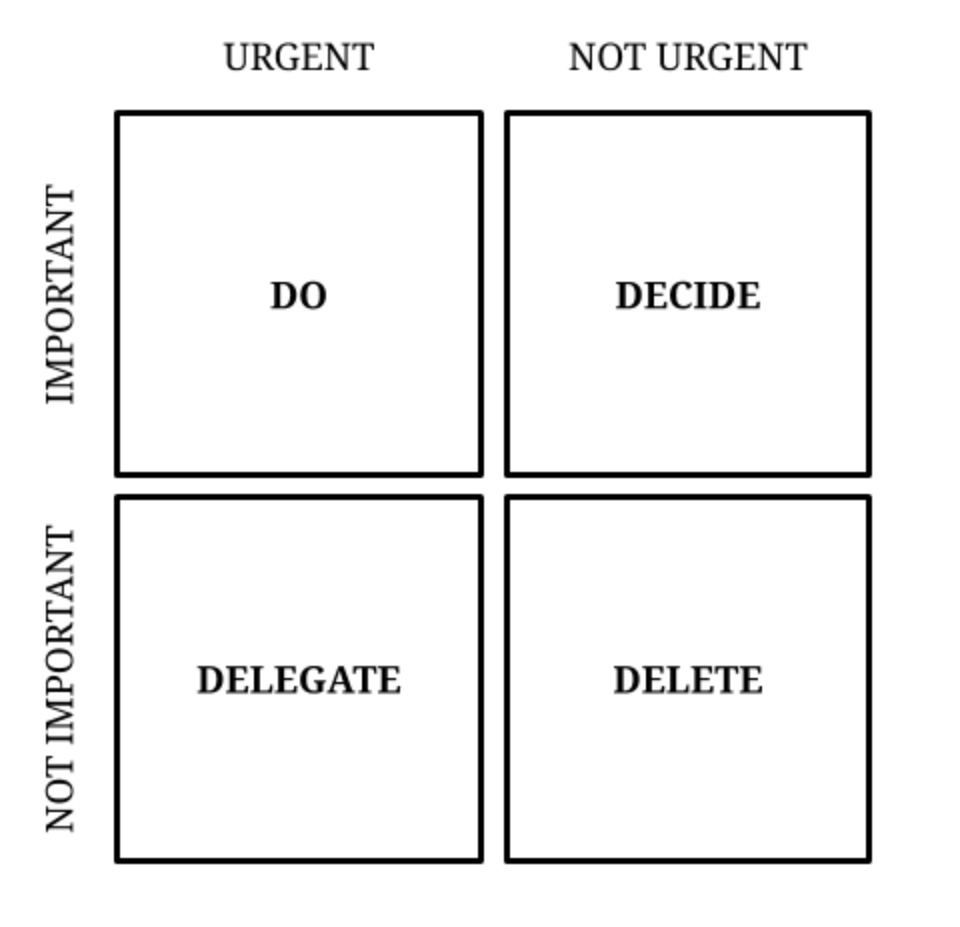
1. Urgent and Important (Do it now)
These tasks demand immediate attention and directly affect your long-term objectives. Crises, pressing deadlines, and last-minute preparations fall into this category.
2. Important but Not Urgent (Decide on it)
These are the tasks that contribute to your bigger goals but don’t have an immediate deadline. Strategic planning, relationship-building, personal development, and creative thinking often reside here, yet they’re frequently neglected in favour of the urgent.
3. Urgent but Not Important (Delegate it)
These activities need immediate attention but don’t necessarily require your expertise. They can often be delegated or streamlined, such as administrative tasks or minor issues that others can handle.
4. Neither Urgent nor Important (Delete it)
These are the distractions … time-wasters like excessive social media scrolling or unnecessary meetings. Eliminating or minimising these frees up valuable time for more meaningful work.
Why the Matrix Works for High Performers
The true power of the Eisenhower Matrix lies in its ability to clarify focus.
Many professionals fall into the trap of reacting to urgency, mistaking “busy” for “productive”. This tool forces a pause, a moment of reflection some might say, to ask:
Is this really the best use of my time?
For me, this framework has served as a checkpoint when my calendar feels overwhelming. It reminds me that leadership should not be about reacting faster, more responding smarter.
Here are some thoughts on why it works:
It combats the tyranny of the urgent.
Many leaders spend too much time firefighting instead of investing in long-term growth. The matrix pulls your attention back to what truly matters for future success.
It empowers delegation.
For high performers, letting go of control can be difficult. Recognising what you shouldn’t be doing allows you to build trust with your team and focus on where you add the most value.
It creates space for deep work.
By identifying tasks that are important but not urgent, you can block time for activities that require creativity and focus - essential for strategic thinking and innovation.
Common Pitfalls and How to Avoid Them
While the elegance of the Eisenhower Matrix lies in its simplicity, the challenge comes in the discipline required to apply it consistently. Many people - particularly leaders - fall into subtle traps that reduce the matrix to a theoretical exercise rather than a transformational practice.
Below, I explore these common pitfalls and offer reflections on how to avoid them.
Overestimating Urgency – Reactivity Masquerading as Productivity
One of the most frequent errors is allowing tasks to feel more urgent than they truly are. The pace of modern business, coupled with the constant influx of digital communication, creates a false sense of immediacy. Everything begins to feel critical—every email marked ‘high priority,’ every notification demanding a response.
The danger here is slipping into reactivity, where your calendar is no longer a reflection of your goals but a record of how effectively others have hijacked your time.
How to Avoid It:
Before reacting, practise the art of the pause. Ask:
What is the actual consequence if this is not done immediately?
Does this align with my priorities, or am I reacting to someone else’s?
Is there a strategic advantage in allowing this to wait?
Building this moment of reflection into your decision-making reduces the emotional pull of false urgency and strengthens your ability to respond, rather than react.
Neglecting Quadrant II – The Quiet Space Where Growth Happens
Quadrant II - important but not urgent - is where the real work of leadership, personal development, and strategic growth lives. Yet, it is the most commonly neglected.
Why? Because it does not shout for your attention. There is no immediate consequence for skipping a planning session, deferring coaching conversations, or pushing back time for deep work. The cost is invisible …until it isn’t.
Weeks or months later, you find yourself firefighting, wondering why your team is misaligned or why strategic initiatives have stalled.
How to Avoid It:
The answer lies in intentional time-blocking and treating Quadrant II with the same gravity as any client meeting or project deadline. Reframe Quadrant II tasks as non-negotiable leadership work. When you give time to proactive strategy, personal reflection, and relationship-building, you reduce future crises and elevate your impact.
Failing to Delegate – Holding Too Tightly to Control
Many leaders fall into the trap of doing work that should sit elsewhere. Whether through habit, perfectionism, or the fear that delegation will take longer than doing it yourself, you inadvertently tether yourself to tasks that drain your time and energy.
Delegation is not a sign of weakness; it is a strategic leadership skill. Without it, you deny your team growth opportunities and undermine your own capacity to focus on what only you can do.
How to Avoid It:
Start small. Identify one or two recurring tasks that land in the “Urgent but Not Important” quadrant and experiment with delegation. Provide clear context, expectations, and support. Over time, you build trust, capability, and resilience within your team - freeing yourself to focus on higher-impact work.
A useful question to ask regularly is:
“Is this truly the best use of my time and expertise, or could this be a growth opportunity for someone else?”
Practical Steps to Implement the Eisenhower Matrix
The value of the Eisenhower Matrix lies not in understanding it conceptually, but in embedding it into your daily and weekly routines. Below, I explore practical ways to leverage the matrix effectively and sustainably.
1. Audit Your To-Do List with Ruthless Honesty
Begin by gathering your existing list of tasks, projects, and responsibilities—whether they reside in your notebook, task management software, email inbox, or scattered sticky notes. The first challenge is confronting the sheer volume of demands on your attention.
Once collated, systematically allocate each task to the appropriate quadrant:
Urgent and Important: These must be addressed immediately, but ask yourself—could better planning have prevented them from becoming urgent?
Important but Not Urgent: These are your leverage points - the activities that, if prioritised, reduce future crises.
Urgent but Not Important: These tasks create the illusion of productivity. Challenge yourself - must you personally handle them? Could automation or delegation suffice?
Neither Urgent nor Important: Be ruthless here. These are distractions. Identify where you are spending time out of habit, comfort, or avoidance.
This exercise often reveals uncomfortable truths about time spent on low-value activities disguised as ‘busywork.’
2. Time-Block Quadrant II Tasks Relentlessly
The Quadrant II tasks - strategic thinking, relationship-building, personal development - are the first to be sacrificed when the pressure mounts. Yet, this is where meaningful progress is made and where you build resilience against future urgency.
The most effective way to honour these tasks is to schedule them directly into your calendar. Treat this time as sacred. Whether it’s an hour of deep work, a leadership coaching session, or time set aside to plan, blocking this time sends a clear message: this is important.
Some leaders find value in setting recurring weekly sessions dedicated solely to Quadrant II work, creating space for thinking, reflection, and proactive planning - habits that separate effective leaders from reactive managers.
3. Set Clear Boundaries for Quadrant IV - Your Greatest Threat to Focus
Quadrant IV is the silent killer of productivity - seemingly harmless, yet insidiously wasteful. The cumulative effect of small distractions is substantial. Scrolling social media, unnecessary meetings, or habitual inbox checking drain mental energy.
Create clear boundaries:
Tech tools: Use focus apps, website blockers, and app timers to reduce digital distractions.
Workspace cues: Design your environment to support focus - remove devices, create quiet zones, or signal ‘do not disturb’ during focused periods.
Challenge habitual behaviours: If a recurring task frequently lands in this quadrant, question its existence. Does it serve any meaningful purpose, or is it simply a relic of old routines?
Eliminating or minimising Quadrant IV is not about becoming rigid but about regaining control over how your attention is spent.
4. Review and Recalibrate Regularly - The Discipline of Reflection
Priorities evolve, and the line between what is urgent and what is important can shift subtly over time. Without regular review, it is easy to drift back into reactive mode.
Set a rhythm for reflection:
Daily Check-Ins: A five-minute review at the end of each day to assess what dominated your attention and why.
Weekly Deep Reviews: At the close of the week, revisit your matrix. Which Quadrant II tasks were neglected? Which Quadrant III tasks consumed too much time? What lessons can you carry forward?
This reflective practice not only strengthens your decision-making but also builds a leadership habit of intentionality. You begin to move through your week with clarity rather than being swept along by the current of urgency.
Final Thoughts
The Eisenhower Matrix is aligning your daily actions with your bigger goals and values. As leaders, it’s easy to get swept up in the noise of urgency. But true productivity comes from clarity, intentionality, and focus.
When applied thoughtfully, this tool can help you not only work smarter but also lead more effectively, freeing up time for the strategic thinking, creative problem-solving, and meaningful relationships that drive real success.
So, the next time your to-do list feels like it’s running the show, ask yourself:
Is this truly important? Or just urgently demanding my attention?
The answer might just reshape the way you lead your day, and your future.
Remember, the path to extraordinary is walked with a thousand small steps, you’re doing great!
Your Small Steps
How often should I use the Eisenhower Matrix?
Ideally, the matrix should become part of your regular planning rhythm. Many leaders find value in using it daily to triage tasks and weekly to reflect on priorities. Embedding it into both short-term and long-term planning ensures you stay aligned with your strategic goals rather than being pulled into constant firefighting.
What’s the difference between ‘urgent’ and ‘important’ …they often feel the same?
Urgency relates to time pressure—a task demanding immediate attention. Importance, however, is tied to long-term impact, values, and strategic objectives. The discipline is in recognising that not everything screaming for your attention truly contributes to what matters most.
What do I do if everything on my list feels urgent and important?
When everything feels critical, it is often a sign of systemic issues—poor planning, overcommitment, or lack of delegation. In such moments, revisit your role: focus on what only you can do. Identify tasks that can be deferred, delegated, or even dropped. Seeking clarity from stakeholders on true priorities can also help recalibrate expectations.
How can I stop neglecting ‘Important but Not Urgent’ work?
The key is to schedule it intentionally. Block time for Quadrant II activities—strategic thinking, relationship-building, personal development—as if they were non-negotiable meetings. Treat this time as sacred, recognising that this is where long-term success and resilience are built.
Can the Eisenhower Matrix work for team or project planning, not just personal tasks?
Absolutely. The matrix scales well for teams, projects, and even organisational planning. Used collectively, it provides clarity on where effort should be focused, prevents misalignment, and ensures teams invest time where it delivers the most impact rather than simply reacting to noise.
What’s the best way to decide what to delegate?
Start by looking at tasks that are urgent but not truly important in terms of your role or expertise. Ask: “Does this task need my unique skills, or is it a development opportunity for someone else?” Delegation strengthens your team’s capability and protects your time for higher-value leadership work.
How do I stop falling back into old habits of reacting rather than prioritising?
The answer lies in regular reflection. Build a habit of reviewing your week: where did you spend your time, and did it align with your priorities? Consider journaling, end-of-week reviews, or accountability partnerships. Like any discipline, prioritisation improves with practice and conscious effort.